FSX Lockheed U-2 S Просмотр ZIP-архива
Lockheed_U-2S/Flying the U-2S.htm
<html>

<head>
<meta http-equiv="Content-Language" content="en-us">
<meta http-equiv="Content-Type" content="text/html; charset=windows-1252">
<meta name="GENERATOR" content="Microsoft FrontPage 4.0">
<meta name="ProgId" content="FrontPage.Editor.Document">
<title>New Page 1</title>
</head>

<body>

<h2><font face="Arial">Flying the AlphaSim U-2S "Dragon Lady"</font></h2>
<p><font face="Arial">The U-2S may be the most challenging aircraft in your
entire fleet.  Essentially a drastically over-powered sailplane, the flight
envelope of the U-2S is very narrow and it is easy to exceed the aircraft's
limitations.  Please take a moment to review this information to get a
better understanding of this unique aircraft.  Also take a moment to read
the <a href="U-2%20Flight%20Experience.htm">U-2S Flight Experience</a>, which
will provide real-world information on how this plane is actually flown.</font></p>
<h3><font face="Arial">Takeoff and Climb</font></h3>
<p><font face="Arial">The U-2S is a comparatively light aircraft with a
tremendous thrust/drag ratio.  To complicate matters, it is a tailwheel
aircraft.  It is easy to overspeed and bang the tailwheel on the runway
during rotation.  To avoid this, use a little nose-down trim and rotate
very gently.  Takeoff at a normal aircraft weight will be rapid, with
excellent acceleration.  At light weights, the U-2S will be airborne in
just a few hundred feet and the acceleration will be dramatic.  Climb is
normally accomplished with full throttle at an indicated airspeed of 100
knots.  This will yield an initial rate of climb approaching 10,000 feet
per minute and an inital aircraft attitude of nearly 45 degrees nose-up.
This climb rate will drop off rapidly with altitude.  It is a real
challenge to maintain the proper climb speed all the way to 70,000 feet.</font></p>
<h3><font face="Arial">Cruise</font></h3>
<p><font face="Arial">Normal cruise for the U-2S is 0.72 Mach.  This
equates to an indicated airspeed of around 106 knots at 70,000 feet.  The
real U-2S utilizes what is known as a "cruise climb" to reach the
higher altitudes.  This is accomplished by setting the Mach hold at 0.72
Mach; the aircraft then controls the speed by adjusting the pitch while leaving
the throttle setting unchanged.  As the aircraft burns fuel, it will become
lighter and will climb at approximately 100-200 fpm with the Mach hold
enabled.  In Flight Simulator 9, this kind of control is not possible with
the usual autopilot configuration.  It will be very difficult to launch a
cruise from 70,000 feet.  The best way to simulate the actual procedure is
to begin a climb from 56,000 feet at a rate of climb of 100-200 fpm and reach
cruising altitude.  A normal cruising weight is around 25,000 pounds at
70,000 feet.</font></p>
<h3><font face="Arial">Descent</font></h3>
<p><font face="Arial">Descent is accomplished by reducing the throttle to idle,
deploying the spoilers and speedbrakes, and lowering the landing gear.
Even with all these devices in play, the U-2S is reluctant to come back to
Earth.  A normal descent from cruise altitude will take around 40 minutes,
with a rate of descent of 1500-2000 fpm.  In a clean configuration, the
U-2S has a glide ratio of 28:1 at best glide speed of 109 KIAS.  This means
the aircraft could travel 370 statute miles in a power-off glide from 70,000
feet.</font></p>
<h3><font face="Arial">Landing</font></h3>
<p><font face="Arial">Landing is extremely challenging.  Even with the
spoilers, speedbrakes, flaps, and gear deployed, the U-2S has a terrific
tendency to float.  The final approach speed is very slow, around 85 KIAS,
and the speed across the runway threshold is just 75 KIAS, or 1.1 times the
stall speed with flaps at 35 degrees for a landing weight of 19,000 lbs.
The normal procedure for landing a U-2S is to have an automobile racing
alongside, the driver calling out the altitude AGL to the pilot.  When the
distance between the main landing gear and runway is 1 foot, the pilot pulls
back on the yoke to stall the aircraft onto the runway tailwheel first.
The AlphaSim U-2S can be landed in a similar fashion by opening up a separate,
external view window to monitor the altitude AGL as you begin your final
approach.</font></p>
<h3><font face="Arial">Airspeed and Flight Limitations</font></h3>
<p><font face="Arial">It is very easy to overspeed the U-2S, either by exceeding
the maximum indicated airspeed or Mach number.  The maximum IAS for the
U-2S is 240 KIAS, a speed that can be reached in just a few seconds with full
power in level flight at low altitude.  Similarly, the maximum Mach number
can also be easily exceeded at altitudes well above those used by modern
jetliners.  Since the U-2S was meant to operate at high altitudes, it
normally never lingers at the lower flight levels.  Rather than using the
throttle to control speed, simply adjust the aircraft pitch.  In real life,
the U-2S is never at a constant altitude; it is constantly climbing as it burns
off fuel.  At cruising altitude, the difference between maximum Mach number
and the aircraft's stall speed is very small, and the airspeed differential
between the onset of the stall buffet and Mach buffet is minimal.  This
"window" is called "Coffin Corner" and strict attention from
the pilot is required when flying in this configuration.  Similarly, the
aircraft is very susceptible to crosswinds due to its large wing area and
relatively light weight.  It is also generally unstable at higher altitudes
and requires the autopilot for hands-free flight.</font></p>
<h3><font face="Arial">Weights and Stalling Speeds</font></h3>
<p><font face="Arial">The unloaded weight of the U-2S is 16,000 pounds.  A
2,000 pound payload is standard, but you may adjust this using the Fuel/Payloads
menu.  The maximum weight of the aircraft is 41,000 pounds.  The
normal landing weight is 19,000 pounds.  The clean stalling speed at this
weight is 72 knots IAS, while the stalling speed in landing configuration (35
degrees flaps, gear down, spoilers and speedbrakes deployed) is 68 KIAS.
The stall speed with full flaps and gear down at this weight -- without spoilers
or airbrakes -- is 59 KIAS.  (The differences in these speeds are explained
by the loss of lift that occurs with the spoilers deployed.)  The aircraft
would not normally be landed in using full flaps without spoilers unless a
flight was aborted and had to be landed at a high weight.  Note that Flight
Simulator combines the spoiler/airbrake function so it is not possible to land
with only the airbrake deployed.</font></p>
<p><font face="Arial"><a href="U-2%20Flight%20Experience.htm">U-2S Flight
Experience</a></font></p>

</body>

</html>
53355-Lockheed-U-2S.zip
| Имя файла | Дата | Размер |
|---|---|---|
| Lockheed_U-2S/Aircraft.cfg | 23.03.2014 22:02 | 13 KB |
| Lockheed_U-2S/CalloutB/ | 23.03.2014 22:02 | |
| Lockheed_U-2S/CalloutB/1000FT.wav | 10.07.2012 15:18 | 172 KB |
| Lockheed_U-2S/CalloutB/100FT.wav | 10.07.2012 15:18 | 194 KB |
| Lockheed_U-2S/CalloutB/10FT.wav | 10.07.2012 15:18 | 105 KB |
| Lockheed_U-2S/CalloutB/200FT.wav | 10.07.2012 15:18 | 223 KB |
| Lockheed_U-2S/CalloutB/20FT.wav | 10.07.2012 15:18 | 105 KB |
| Lockheed_U-2S/CalloutB/2500FT.wav | 10.07.2012 15:18 | 215 KB |
| Lockheed_U-2S/CalloutB/300FT.wav | 10.07.2012 15:18 | 189 KB |
| Lockheed_U-2S/CalloutB/30FT.wav | 10.07.2012 15:18 | 104 KB |
| Lockheed_U-2S/CalloutB/400FT.wav | 10.07.2012 15:18 | 181 KB |
| Lockheed_U-2S/CalloutB/40FT.wav | 10.07.2012 15:18 | 116 KB |
| Lockheed_U-2S/CalloutB/500FT.wav | 10.07.2012 15:18 | 175 KB |
| Lockheed_U-2S/CalloutB/50FT.wav | 10.07.2012 15:18 | 114 KB |
| Lockheed_U-2S/CalloutB/Alert.WAV | 12.05.2006 08:24 | 70 KB |
| Lockheed_U-2S/CalloutB/APPMIN.wav | 10.07.2012 15:18 | 258 KB |
| Lockheed_U-2S/CalloutB/Credits.txt | 10.07.2012 15:18 | 163 B |
| Lockheed_U-2S/CalloutB/MIN.wav | 10.07.2012 15:18 | 129 KB |
| Lockheed_U-2S/CalloutB/Sound.ini | 14.09.2012 14:34 | 1004 B |
| Lockheed_U-2S/CalloutB/Warning.wav | 14.09.2012 14:33 | 32 KB |
| Lockheed_U-2S/CALLOUT_SOUND.dll | 10.07.2012 15:18 | 96 KB |
| Lockheed_U-2S/Effects/ | 03.03.2014 13:30 | |
| Lockheed_U-2S/Effects/fx_eng_exhaust_gry.fx | 18.11.2000 04:14 | 1 KB |
| Lockheed_U-2S/Flying the U-2S.htm | 14.10.2004 19:16 | 7 KB |
| Lockheed_U-2S/model/ | 03.03.2014 12:53 | |
| Lockheed_U-2S/model/Model.cfg | 30.09.2004 04:47 | 23 B |
| Lockheed_U-2S/model/U-2S non-SS.mdl | 24.02.2005 19:09 | 1 MB |
| Lockheed_U-2S/model/U-2S.mdl | 15.10.2004 16:57 | 2 MB |
| Lockheed_U-2S/model/U-2S.x | 24.02.2005 19:07 | 12 B |
| Lockheed_U-2S/model/U-2S_interior.x | 24.02.2005 19:07 | 12 B |
| Lockheed_U-2S/model.1/ | 03.03.2014 12:53 | |
| Lockheed_U-2S/model.1/Model.cfg | 25.02.2005 19:33 | 30 B |
| Lockheed_U-2S/model.1/U-2S_non-SS.mdl | 24.02.2005 19:09 | 1 MB |
| Lockheed_U-2S/Panel.169/ | 23.03.2014 21:40 | |
| Lockheed_U-2S/Panel.169/Main_Panel.bmp | 22.03.2014 16:19 | 7 MB |
| Lockheed_U-2S/Panel.169/Panel.cfg | 22.03.2014 20:46 | 5 KB |
| Lockheed_U-2S/Panel.169/U2.CAB | 23.03.2014 21:40 | 407 KB |
| Lockheed_U-2S/Panel.43/ | 23.03.2014 22:17 | |
| Lockheed_U-2S/Panel.43/Main_Panel.bmp | 22.03.2014 21:26 | 5 MB |
| Lockheed_U-2S/Panel.43/Panel.cfg | 22.03.2014 22:00 | 5 KB |
| Lockheed_U-2S/Panel.43/U2.CAB | 23.03.2014 21:40 | 407 KB |
| Lockheed_U-2S/Readme.txt | 23.03.2014 22:05 | 1 KB |
| Lockheed_U-2S/ReadThis.txt | 05.05.2010 05:13 | 2 KB |
| Lockheed_U-2S/sound/ | 03.03.2014 12:53 | |
| Lockheed_U-2S/sound/Sound.cfg | 06.04.2008 19:24 | 32 B |
| Lockheed_U-2S/texture/ | 22.03.2014 13:12 | |
| Lockheed_U-2S/texture/Black.bmp | 02.10.2004 21:12 | 16 KB |
| Lockheed_U-2S/texture/Chrome_t.bmp | 31.08.2004 04:40 | 5 KB |
| Lockheed_U-2S/texture/Crew face.bmp | 14.10.2004 18:02 | 256 KB |
| Lockheed_U-2S/texture/Exh.bmp | 02.10.2004 22:32 | 16 KB |
| Lockheed_U-2S/texture/Glass_t.bmp | 14.10.2004 20:46 | 16 KB |
| Lockheed_U-2S/texture/Lens_L.bmp | 25.04.2004 22:12 | 21 KB |
| Lockheed_U-2S/texture/Lens_T.bmp | 14.10.2004 19:59 | 16 KB |
| Lockheed_U-2S/texture/Pilot.bmp | 08.10.2004 03:48 | 512 KB |
| Lockheed_U-2S/texture/Plate.bmp | 14.10.2004 01:40 | 32 KB |
| Lockheed_U-2S/texture/Strobes_t.bmp | 08.10.2004 18:45 | 4 KB |
| Lockheed_U-2S/texture/Thumbnail.jpg | 22.03.2014 13:12 | 66 KB |
| Lockheed_U-2S/texture/Thumbs.db | 02.10.2004 04:44 | 9 KB |
| Lockheed_U-2S/texture/Tread.bmp | 07.10.2004 17:18 | 32 KB |
| Lockheed_U-2S/texture/Tread_rear.bmp | 02.10.2004 21:01 | 64 KB |
| Lockheed_U-2S/texture/TrimWhl.bmp | 13.10.2004 03:51 | 8 KB |
| Lockheed_U-2S/texture/Turbine_l.bmp | 31.08.2004 03:33 | 85 KB |
| Lockheed_U-2S/texture/Turbine_t.bmp | 31.08.2004 03:23 | 171 KB |
| Lockheed_U-2S/texture/U-2_cpit1.BMP | 13.10.2004 20:43 | 512 KB |
| Lockheed_U-2S/texture/U-2_cpit2.BMP | 13.10.2004 20:43 | 512 KB |
| Lockheed_U-2S/texture/U-2_cpit3_L.BMP | 14.10.2004 21:38 | 1 MB |
| Lockheed_U-2S/texture/U-2_cpit3_t.BMP | 15.10.2004 04:54 | 1 MB |
| Lockheed_U-2S/texture/U-2_cpit4_L.BMP | 15.10.2004 04:53 | 1 MB |
| Lockheed_U-2S/texture/U-2_cpit4_t.BMP | 21.03.2014 23:09 | 1 MB |
| Lockheed_U-2S/texture/U-2_wells.bmp | 07.10.2004 23:23 | 512 KB |
| Lockheed_U-2S/texture/U2fan.bmp | 15.10.2004 01:42 | 256 KB |
| Lockheed_U-2S/texture/U2fuse.bmp | 02.10.2004 21:00 | 512 KB |
| Lockheed_U-2S/texture/U2inlet.bmp | 30.09.2004 04:59 | 256 KB |
| Lockheed_U-2S/texture/U2tail1.bmp | 14.10.2004 20:52 | 256 KB |
| Lockheed_U-2S/texture/U2tail2.bmp | 14.10.2004 20:52 | 256 KB |
| Lockheed_U-2S/texture/U2tail3.bmp | 02.10.2004 21:02 | 256 KB |
| Lockheed_U-2S/texture/U2wing.bmp | 02.10.2004 20:59 | 512 KB |
| Lockheed_U-2S/texture/Whl_rear.bmp | 02.10.2004 21:01 | 64 KB |
| Lockheed_U-2S/texture/Wingtip.bmp | 08.10.2004 17:38 | 32 KB |
| Lockheed_U-2S/U-2 Flight Experience.htm | 14.10.2004 13:53 | 21 KB |
| Lockheed_U-2S/U-2S.air | 15.10.2004 18:54 | 7 KB |
| Lockheed_U-2S/U-2S_check.htm | 14.10.2004 19:14 | 6 KB |
| Lockheed_U-2S/U2_1.jpg | 23.03.2014 22:13 | 133 KB |
| Lockheed_U-2S/ | 23.03.2014 22:17 | |
| avsim_su.diz | 07.04.2014 02:07 | 406 B |
| Итого: | 30 MB | |
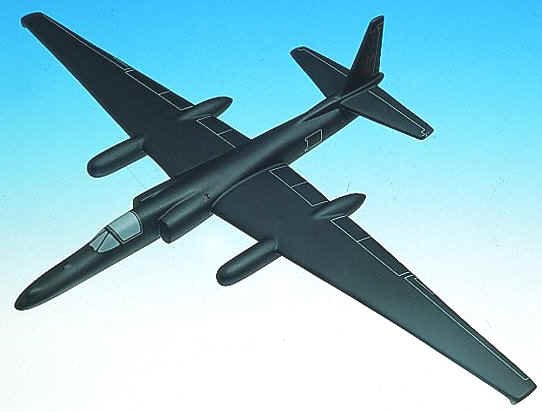
American scout Lockheed U-2 S
→ Size:
8 MB
→ Date:
12 years ago (07.04.2014 04:38)
→ Author:
Philippe Wallaer
→ Approved by moderator:
seric76
→ License:
Freeware - Free version, Unlimited Distribution
→ Downloaded:
302 time(s)